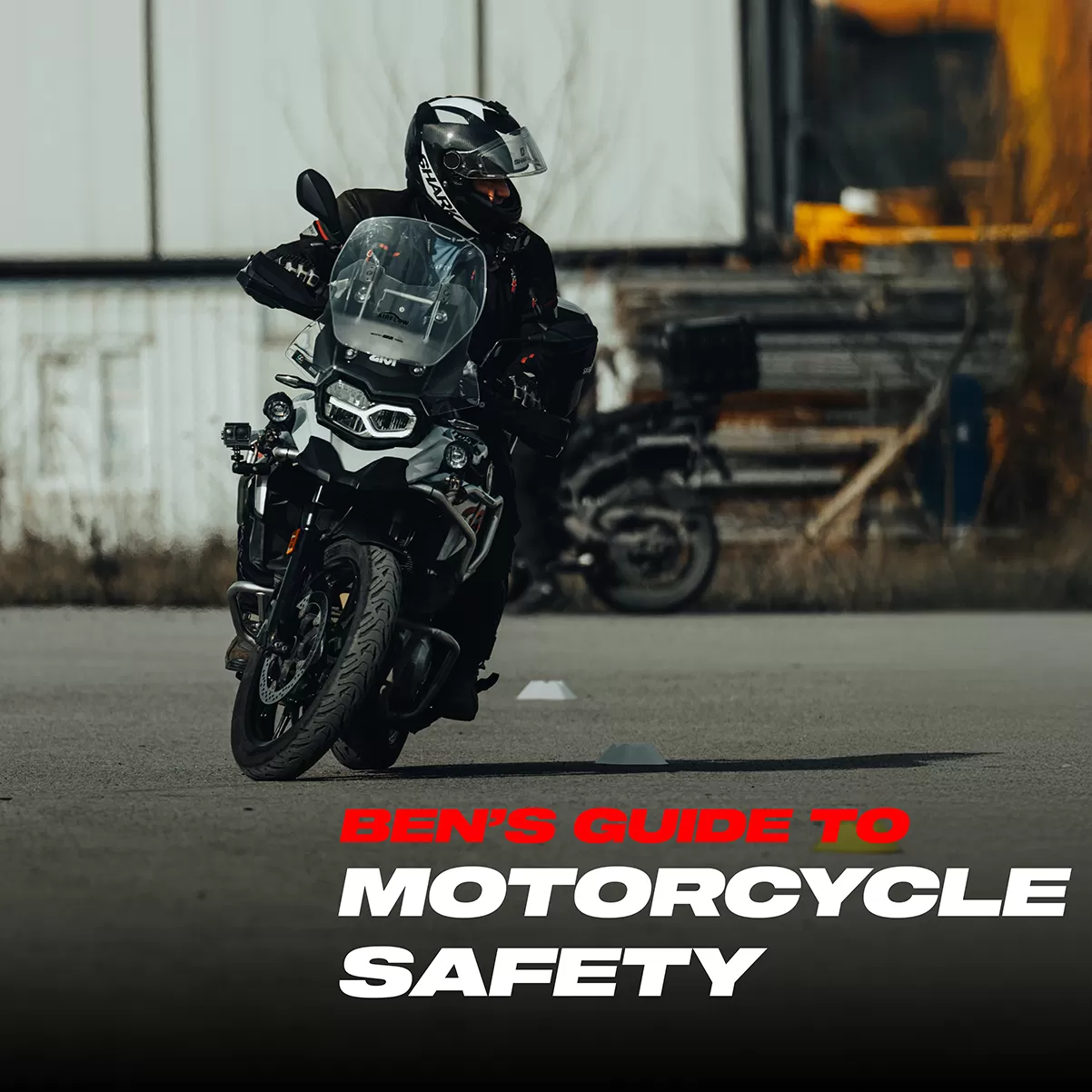
We're delighted to share this motorcycle safety resource with our community, submitted by Ben as part of his work towards achieving his Scout Safety Badge.
Congratulations to Ben on taking the initiative to promote safe riding and help others learn more about staying safe on two wheels. Motorcycle safety is something every rider can benefit from, regardless of experience, and we're pleased to help highlight this valuable information.
Below, you'll find the resource Ben shared with us, covering a range of practical tips and advice for riders of all abilities.

Motorcycle Safety Statistics
Riding a motorcycle offers an unmatched sense of freedom, but it also comes with greater risks than travelling by car. Unlike passenger vehicles, motorcycles provide very little physical protection in the event of a collision, making riders more vulnerable to serious injury.
According to the Department for Transport, 315 motorcyclists lost their lives on Great Britain's roads in 2023, while more than 5,400 suffered serious injuries. Although motorcycle casualties have reduced significantly over the last two decades, motorcyclists continue to have the highest casualty rate per mile travelled of any major road user group. These figures highlight why safe riding habits, proper training and the correct protective equipment are so important every time you ride.
Motorcycle Safety Tips
While these statistics demonstrate the risks associated with motorcycling, riding safely is largely about preparation, awareness and making good decisions. Whether you're a newly qualified rider or have decades of experience, following a few simple principles can dramatically reduce your chances of being involved in an incident.
1. Invest in Quality Rider Training
Learning doesn't stop once you've passed your motorcycle test. Additional training can greatly improve your confidence, observation skills and hazard perception.
Courses offered by organisations such as IAM RoadSmart, RoSPA Advanced Riders, or the DVSA Enhanced Rider Scheme can help you develop smoother riding techniques, improve road positioning and prepare you for unexpected situations.
2. Ride to the Conditions
British weather can change rapidly, often within the same journey.
Heavy rain, fog, ice and strong winds can significantly reduce grip and visibility. Before setting off, check the weather forecast and be prepared to delay your journey if conditions become unsafe. If you do ride in poor weather, reduce your speed, increase your following distance and make all control inputs smooth and progressive.
3. Wear the Right Protective Clothing
Your riding gear is your first line of defence.
In the UK, riders are legally required to wear a motorcycle helmet that meets recognised British safety standards, such as ECE 22.06. Beyond this, investing in quality CE-rated motorcycle clothing can significantly reduce the severity of injuries should the worst happen.
A protective motorcycle jacket, reinforced riding trousers or jeans, sturdy over-the-ankle boots and protective gloves should all form part of your regular riding kit.
4. Carry Out Regular Safety Checks
Before every ride, take a few moments to make sure your motorcycle is safe and roadworthy. A quick walk-around can help identify problems before they become serious.
Check your tyre pressures and tread, ensure your lights and indicators are working correctly, test both brakes, and confirm that your mirrors are correctly adjusted. It's also worth checking your oil level, chain condition (where applicable), and fuel level before setting off.
5. Ride Within the Law
The Highway Code is there to keep everyone safe.
Always ride within the speed limit, obey traffic signs and signals, use your indicators correctly and ride according to the road and weather conditions. Smooth, predictable riding helps other road users understand your intentions and greatly reduces the risk of collisions.
6. Make Yourself Visible
One of the biggest dangers motorcyclists face is simply not being seen.
Position yourself where other drivers are most likely to notice you, avoid lingering in the blind spots of larger vehicles and use your headlights as required. Wearing bright or reflective clothing can also improve your visibility, particularly during poor weather or when riding at night.
7. Stay Alert to Road Conditions
Motorcycles react much more noticeably to changes in road surfaces than cars.
Always scan ahead for potholes, diesel spills, loose gravel, standing water, wet leaves, painted road markings and other hazards. Adjust your speed accordingly and leave yourself plenty of time to react.
8. Leave Plenty of Space
Maintaining a safe following distance gives you valuable extra time to react.
In dry conditions, aim for at least a two-second gap, increasing this to four seconds or more in wet weather or poor visibility. Looking well ahead and identifying potential escape routes can also help you avoid dangerous situations developing.
9. Carry a Basic Emergency Kit
Being prepared can make a big difference if something unexpected happens.
Consider carrying a compact first aid kit, a puncture repair kit (where suitable), a torch, a phone charger or power bank, and any personal medication you may require. For longer journeys, breakdown cover and a few basic tools can provide additional peace of mind.
10. Never Stop Learning
Experience is one of the greatest safety tools a rider can have.
Continue developing your riding skills through further training, regular practice and honest self-assessment. Every ride offers an opportunity to improve your observation, planning and machine control.
Motorcycling will always carry an element of risk, but by riding responsibly, wearing the correct equipment and continually improving your skills, you can significantly reduce those risks and enjoy many safe miles on two wheels.
